
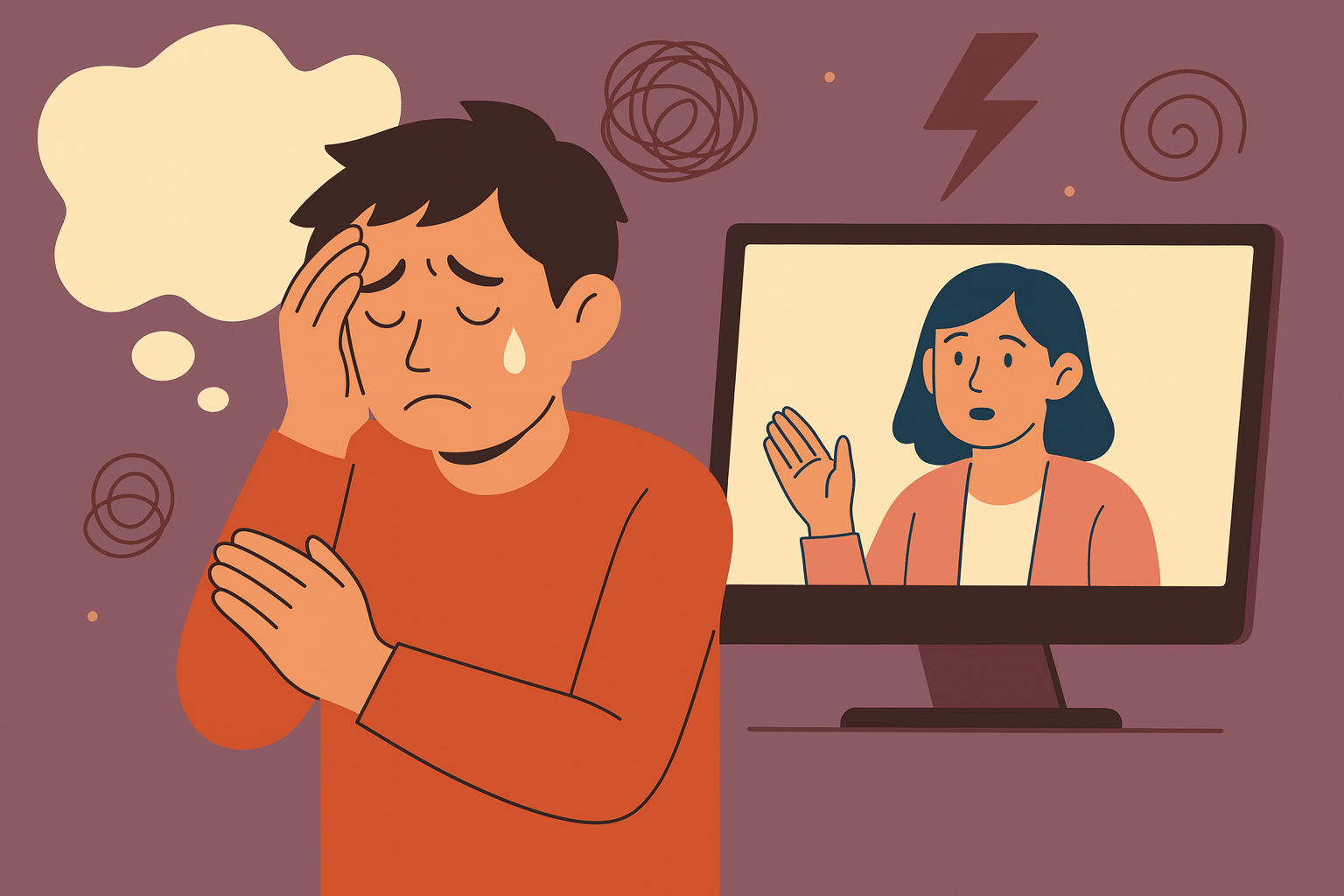
Understanding Complex PTSD: Signs, Symptoms, and Healing Approaches
While most people are familiar with PTSD (Post-Traumatic Stress Disorder), there’s another form of trauma that’s just as real—yet often misunderstood or overlooked. It’s called Complex PTSD (C-PTSD), and for many, putting a name to their experience brings immense relief.
Unlike PTSD, which typically stems from a single traumatic event, Complex PTSD develops from prolonged, repeated trauma—often during childhood or in environments where escape wasn’t possible.
If you’ve ever felt like your trauma response doesn’t quite “fit the mold,” this guide will help. We’ll explore Complex PTSD signs, symptoms, and healing approaches, offering hope and tools for your recovery.
What Is Complex PTSD (C-PTSD)?
Complex PTSD arises from ongoing exposure to trauma—especially relational trauma that happens over time. Common sources include:
- Childhood abuse or neglect
- Domestic violence or long-term emotional abuse
- Being raised by a narcissistic or emotionally unavailable caregiver
- Living in war zones or institutions where safety and autonomy were consistently violated
These repeated violations of safety and trust shape not only the nervous system but also identity, relationships, and emotional regulation.
Whereas PTSD may be linked to flashbacks and fear-based triggers, C-PTSD often involves deep-rooted issues of shame, chronic dysregulation, and a fractured sense of self.
Signs and Symptoms of Complex PTSD
Understanding your symptoms is an empowering step in reclaiming your healing journey. Let’s explore the key signs of C-PTSD:
1. Emotional Flashbacks
These are sudden, intense emotional states—often shame, fear, or hopelessness—that don’t seem to match what’s happening in the present. Unlike traditional flashbacks, they may not involve visual memories.
You might find yourself overwhelmed, dissociating, or withdrawing without knowing why.
2. Chronic Shame or Guilt
C-PTSD survivors often carry a sense of being "wrong," "broken," or fundamentally unworthy. This internalized shame may stem from repeated emotional invalidation or blame during traumatic experiences.
3. Inner Critic and Negative Self-Talk
A loud inner critic is common—constantly questioning your worth, capabilities, or decisions. This self-attack is often internalized from voices of past abusers or authority figures.
4. Difficulty with Relationships
C-PTSD impacts how you relate to others. You might:
- Struggle with trust or fear intimacy
- Feel anxious in close relationships
- Attract emotionally unavailable or abusive partners
- Sabotage healthy connections out of fear of abandonment
5. Dissociation and Emotional Numbing
When emotions feel too overwhelming or unsafe, your mind may disconnect as a protective measure. You may zone out, feel emotionally numb, or have memory gaps.
6. Hypervigilance or Overwhelm
You may feel constantly on edge, scanning for threats even in safe situations. Or, conversely, you may become easily overwhelmed by sensory input, emotions, or tasks.
Important: These reactions are not weaknesses—they’re trauma responses developed to survive.
Healing Approaches for Complex PTSD
Healing from Complex PTSD is not about “fixing” yourself—it’s about reconnecting with the parts of you that had to go into hiding to survive. While recovery is not linear, it is absolutely possible with patience, care, and the right tools.
Here are some of the most effective healing approaches for C-PTSD:
1. Trauma-Informed Therapy
Working with a therapist trained in trauma is one of the most impactful ways to heal.
Effective modalities include:
- EMDR (Eye Movement Desensitization and Reprocessing): Helps reprocess painful memories so they no longer hold emotional charge.
- Internal Family Systems (IFS): Explores and integrates wounded “parts” of yourself—like the inner child, protector, or critic.
- Somatic Experiencing: Focuses on how trauma lives in the body and helps release it gently.
Spiritual Insight: A therapist doesn’t “fix” you—they help you return to yourself, with compassion as your compass.
2. Nervous System Regulation
C-PTSD is rooted in nervous system dysregulation. Healing means learning how to soothe, support, and retrain your nervous system to feel safe again.
Practices include:
Coherent breathing
Vagus nerve toning (e.g., humming, cold water exposure)
Gentle movement like yoga, walking, or rocking
Grounding techniques to anchor into the present
Start small. Even one mindful breath is a step toward regulation.
3. Inner Child Work
Often, the core wounds of C-PTSD began in childhood. Inner child work involves reconnecting with the parts of you that were abandoned, shamed, or silenced, and offering them the care they never received.
Try this simple practice:
Sit quietly and visualize your younger self at the age when trauma occurred.
Place your hand over your heart.
Say: “I see you. I hear you. You never deserved what happened. You are safe with me now.”
This form of re-parenting rewires self-belief from the inside out.
4. Building Safe Relationships
Since C-PTSD is often relational in nature, healing also happens in relationships—particularly those based on safety, respect, and mutual care.
This may include:
Therapists or coaches
Close friends or chosen family
Support groups (online or in-person)
Practice receiving care without guilt, expressing needs without fear, and trusting your intuition when something feels off.
Healing isn’t just about avoiding toxicity—it’s about learning what healthy love feels like.
5. Self-Compassion and Mindful Reframing
One of the most radical shifts in trauma healing is replacing judgment with compassion.
If your inner critic is loud, begin by practicing mindful reframing:
“I’m lazy” becomes → “My body is asking for rest.”
“Why can’t I move on?” becomes → “I am healing at the pace my soul needs.”
“I should be over this by now” becomes → “Healing is not linear—and I’m doing the work.”
Compassion isn’t coddling—it’s courageous. It allows us to meet pain with presence instead of punishment.
6. Spiritual Practices to Reclaim Wholeness
Spirituality, whether religious or personal, can bring meaning to your healing journey and connect you to something greater than the trauma.
Some soul-nourishing practices include:
Meditation, prayer, or devotional rituals
Walking in nature
Energy healing (like Reiki or breathwork)
Creative expression—art, poetry, dance, music
Use affirmations or mantras to rewire your inner dialogue:
“I am healing. I am whole. I am worthy of joy.”
Spiritual connection can be a powerful reminder that you are more than what happened to you.
You Are Not Alone—And You Are Not Broken
Complex PTSD can feel overwhelming, isolating, and hard to explain to others. But the truth is, your reactions are normal responses to abnormal experiences.
You are not too sensitive.
You are not overreacting.
You are not hopeless.
You are navigating the very real effects of prolonged trauma—and doing so with courage.
Healing from C-PTSD doesn’t mean forgetting what happened. It means releasing the power it holds over you and creating a life where safety, love, and freedom are possible.
It begins with small steps, repeated often. And with each step, you reclaim a part of yourself that was never truly lost—just waiting to be welcomed home.
Next Step: Honor Where You Are
If this post resonated, pause and take a deep breath. Let that breath be a sign of life, strength, and self-love.
Choose one healing practice from above and start gently. You don’t need to do everything. You just need to begin.
You are not alone. You are worthy of healing. And your story is far from over.